What Actually Needs Checking in AI-Generated Technical Copy
Speed was never the hard part of AI-generated marketing copy. Accuracy, and knowing where accuracy was quietly sacrificed, is.
September 3, 2026 · 3 min read
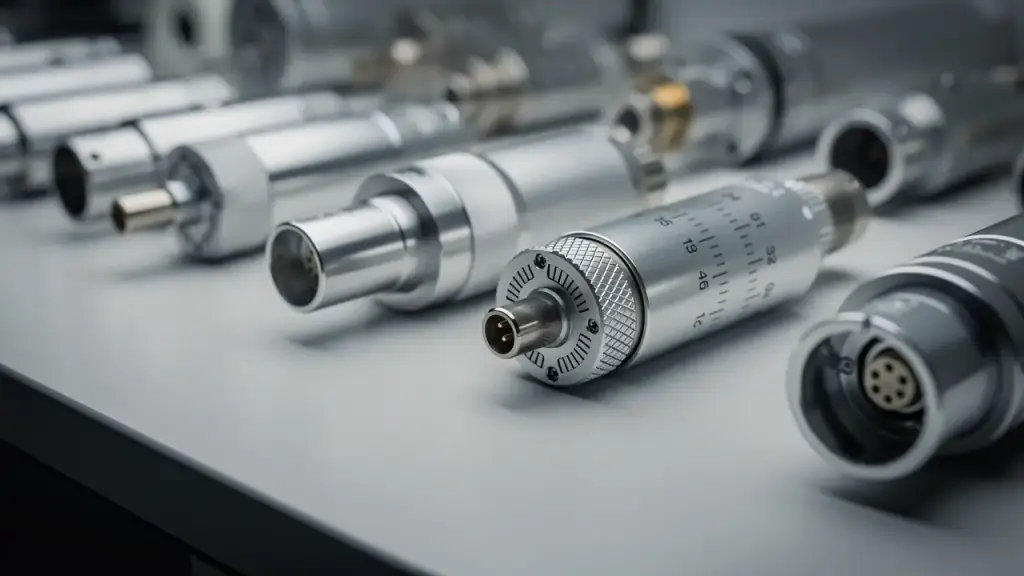
Most marketing teams at technical companies now have an AI draft of something sitting in a folder: a product announcement, an application note, a LinkedIn post explaining a new sensor line. The draft came fast. What comes next, deciding whether it is accurate enough to put in front of an editor, a customer or a prospect, is where most teams stall, because reviewing technical AI output for accuracy is a different skill than writing it.
Embassy Global's own framing of the problem is direct: AI may improve workflow efficiency, but industry-experienced human judgment remains essential when technical accuracy, editorial credibility, brand reputation and commercial positioning matter. That is the premise behind the firm's Ethical AI Marketing service, which develops technical PR content from scratch or reviews and substantially refines client-supplied AI-generated drafts before they ever reach an editor, a customer or the public.
What the review actually checks
- Verification of technical features, terminology and product claims against what the product actually does
- Correction of inaccurate, overstated, generic or contextually inappropriate AI-generated language, false information or market claims
- Translation of technical features into meaningful customer benefits, not generic marketing language
- Removal of generic AI phrasing, repetition, promotional language and unnecessary superlatives
- A final experienced human review before the piece goes to distribution or publication
That last category, the generic AI phrasing and unnecessary superlatives, is usually where a draft fails first. AI-generated technical copy tends to describe every feature as significant and every capability as advanced, which flattens the one claim that actually matters into the same register as filler. An editor at a trade publication reads that pattern immediately and treats the whole submission with more skepticism, including the parts that were true.
Where the technical accuracy check has to happen
Verifying a claim about a product's technical features requires someone who understands the product category well enough to know what an overstated claim looks like. An AI draft that describes a sensor's accuracy spec in language that sounds impressive but is not quite what the data sheet says will pass most generic proofreading. It will not pass a review by someone who has spent decades in the sensors, test and measurement, and instrumentation space and knows exactly what an engineer reading that claim will expect it to mean.
The goal is not to slow down a workflow that AI has usefully sped up. It is to make sure that when the copy goes out under a company's name, every technical claim in it is one the company could defend if a customer's engineer asked a follow-up question. Speed and accuracy are not the same problem, and treating them as one is how overstated claims end up in print.
A named line item, not an afterthought
AI-generated content review and refinement appears as its own named line item in Embassy Global's technical PR programme, alongside international and multilingual communications and technical translation and localization. That grouping is not accidental. A draft written in English by an AI model and destined for publication across the firm's international footprint, content placed across 57 countries and 13 languages, has more places for an inaccurate technical claim to compound than a single-market piece does. Checking it once, carefully, before it starts moving through translation and syndication is considerably cheaper than correcting it after.
It is worth being specific about what this service is not. It is not a light copyedit for grammar and tone. It is a technical and editorial review carried out by people who have spent decades inside the industries the content describes, checking whether a claim about a sensor's accuracy, a component's tolerance, or a system's certification is one the underlying data actually supports. An AI model has no way to know that on its own. A reviewer who has worked inside test and measurement, sensors, or industrial automation for years does.
Embassy Global, LLC, +1-716-646-0927
Call +1-716-646-0927More articles
The Real Cost of Teaching an Agency Your Technology
The invoice that never shows up on the invoice is the hours your engineers spend explaining what your product actually does.
What Technical Editors at Trade Publications Actually Accept
A press release and a technical article are not the same submission, and trade editors can tell within a paragraph which one landed in their inbox.